Wanstead Flats garden waste and rubbish clearance guide
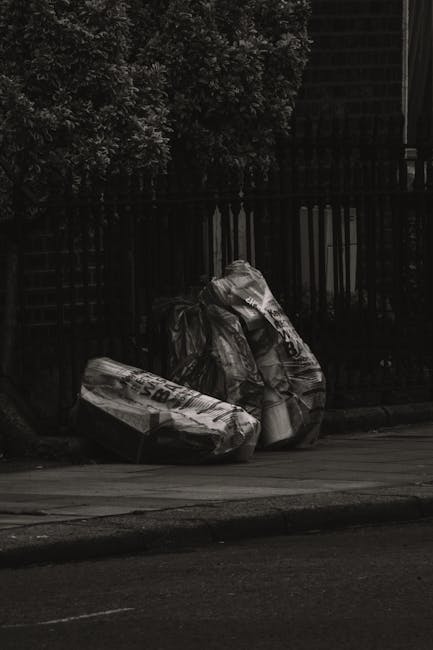
If you are dealing with a messy garden reset, a post-pruning pile-up, or a stubborn heap of old rubbish after working near Wanstead Flats, you are not alone. The jobs that look small at first can grow fast: bags of hedge trimmings, broken pots, soil, ???? no, just a lot of debris, and that one awkward item you do not want dragging dirt through the house. This Wanstead Flats garden waste and rubbish clearance guide is here to help you handle it properly, without wasting time, money, or energy.
Below, you will find a clear explanation of how clearance usually works, what to do before you book anything, which disposal method makes sense for different jobs, and how to avoid the common mistakes that turn a simple tidy-up into a half-day headache. It is practical, local, and written for real people doing real work.
Why Wanstead Flats garden waste and rubbish clearance guide Matters
Wanstead Flats is a place where outdoor space matters. Gardens there tend to collect the usual mix: grass cuttings, branches, weeds, old fencing, broken slabs, and general clutter from jobs that were meant to be quick. The problem is not just the volume. It is the mix of materials. One bag of hedge trimmings is simple; a garden with soil, timber, rubble, and an old mattress is a very different story.
That is why a good clearance plan matters. If you sort waste properly, you save yourself repeat trips, you reduce the risk of rejected loads, and you keep the job moving. You also avoid the classic Sunday-afternoon trap of staring at a pile that somehow looks bigger than it did at 9am. Happens all the time.
For many households, the smartest next step is either a dedicated garden waste removal service or a broader rubbish removal option when the load is mixed. If the job includes renovation debris or heavier waste, it may be better to consider domestic skip hire or, for faster turnaround, wait and load skip hire.
It matters because the wrong method can waste space, create safety issues, and make disposal more expensive than it needs to be. The right one makes the whole thing feel surprisingly manageable.
How Wanstead Flats garden waste and rubbish clearance guide Works
In simple terms, garden waste and rubbish clearance works by matching the waste type to the right collection method. That sounds obvious, but in practice this is where most people get stuck. Soft green waste behaves very differently from wet soil, and both are different again from timber, metal, or household rubbish.
Here is the basic logic:
- Garden-only waste usually includes grass cuttings, leaves, hedge trimmings, small branches, and weeds.
- Mixed garden and household waste may include broken plant pots, old outdoor furniture, bagged clutter, and general junk.
- Heavy or bulky waste can include soil, turf, rubble, paving, timber sleepers, and fencing panels.
- Special items such as fridges, mattresses, or hazardous materials need separate handling.
A lot depends on access too. If your front path is narrow, if parking is tight, or if you need the waste gone on the same day, some options are better than others. A grab lorry can be ideal for awkward piles at the edge of a drive or garden, while a skip can work well if you want to fill it over a few days. For tighter spaces, a man and van style collection can be a neat fit.
To be fair, this is less about jargon and more about common sense. Put the right waste in the right system, and everything gets easier.
Key Benefits and Practical Advantages
Getting garden waste and rubbish cleared properly is not just about making the place look tidy. There are practical gains that show up immediately.
- Less clutter, less stress: A cleared garden feels bigger, safer, and easier to use.
- Better workflow: If you are renovating, landscaping, or doing a seasonal clear-out, removal keeps the job moving.
- Safer outdoor space: Broken glass, sharp offcuts, and unstable piles are best removed quickly.
- Cleaner sorting: Separating garden waste from general rubbish makes recycling much more straightforward.
- Fewer repeated trips: One organised collection beats several car-loads. Every time.
There is also a quieter benefit: peace of mind. Once the waste is gone, you stop thinking about it. That can be a big deal after a long weekend of clearing, especially when the weather is cold, damp, and slightly miserable, which London knows how to do rather well.
If you want to understand load types before booking, it can help to review what can go in a skip so you do not accidentally mix in items that should be kept separate. And if your waste is mostly organic, a targeted garden waste removal solution may be all you need.
Who This Is For and When It Makes Sense
This guide is useful for a fairly wide range of people. You might be a homeowner doing a tidy-up, a landlord preparing a garden between tenancies, or someone managing a bigger clear-out after landscaping work. It also makes sense if you have inherited a garden that has been left alone for a while. You know the type: brambles, old shed bits, a broken wheelbarrow, and a compost heap that has definitely seen better days.
It tends to make sense when:
- you have more waste than your household bin can handle;
- the waste includes bulky or heavy material;
- you need the garden cleared before work starts;
- you want to avoid several journeys to a disposal site;
- you are dealing with mixed rubbish, not just cuttings;
- access is awkward and you want a practical collection method.
If your project is more than a tidy garden and starts to drift into structural or site work, then related services such as site clearance or grab hire services may be more suitable. That is especially true where soil, hardcore, or builders waste are part of the mix.
In short, this is for anyone who wants a clearer, safer outdoor space without the faff.
Step-by-Step Guidance
A calm, methodical approach usually saves the most time. Here is how to tackle a Wanstead Flats garden waste and rubbish clearance job properly.
- Walk the garden and separate the waste. Put green waste, soil, timber, general rubbish, and special items into rough groups first.
- Remove anything reusable. Pots, intact tools, timber offcuts, or decent garden furniture can sometimes be kept, donated, or reused.
- Check for problem items. Old paint tins, electricals, gas canisters, broken appliances, and chemicals should not be thrown in with garden waste.
- Choose the right removal method. A skip works well for ongoing work, while a quick collection may suit a one-off tidy-up.
- Think about access. Can a vehicle reach the waste easily? Do you need parking space? Will bags need carrying through the house?
- Book the clearance. If you are using a skip, check the size and placement first. If you are using a collection service, make sure the load is ready before arrival.
- Load safely. Put heavier items at the bottom, keep sharp edges controlled, and avoid overfilling beyond practical limits.
- Finish with a sweep-up. A final pass with a broom or rake makes a huge difference. It sounds small, but it is the bit people notice.
If the waste is mixed and you are not sure what will be accepted, a quick look at what can go in a skip can save you a headache later. Honestly, that one page can prevent a lot of awkward surprises.
Expert Tips for Better Results
In our experience, the best garden clearances are the ones where the heavy stuff is dealt with early and the fine details are handled before collection day. A few practical tips can make the whole process smoother.
- Bag soft waste separately. Grass cuttings and leaves compress well, but only if they are not mixed with wet soil.
- Break down awkward items. Flat-pack-style disassembly of old fencing or garden furniture can save a surprising amount of space.
- Keep soil and rubble apart where possible. Heavy material changes the weight profile of a load very quickly.
- Use dry weather if you can. Wet waste is heavier, messier, and less pleasant to handle. Simple, but true.
- Leave space for access. The crew, or the skip, needs room. Pushing everything right up against fences or planting beds usually creates more work later.
A small but useful habit: take a quick photo of the pile before you start sorting. It helps you judge how much you actually have, and whether you need one collection or two. Not glamorous, admittedly, but practical.
If you are dealing with a load that includes domestic clutter as well as garden debris, a mix of rubbish removal and domestic skip hire may be worth comparing.
Common Mistakes to Avoid
Most issues on clearance jobs come from rushing the sorting stage. People want the waste gone fast, which is fair enough, but that is also how problems creep in.
- Mixing unsuitable items together. Garden waste, plasterboard, appliances, and hazardous items should not be treated as one pile.
- Underestimating the volume. A hedge cut back by one-third can produce a shocking amount of material. It always looks smaller on the branch.
- Ignoring access needs. If a vehicle cannot reach the waste, collection becomes slower or impossible.
- Overfilling containers. A packed skip is not a neat one. It can also create handling issues.
- Forgetting about permits. If a skip needs to go on the road, you may need to check permit arrangements in advance.
One other mistake is assuming all rubbish removal is the same. It is not. A clearance with garden clippings is very different from a clearance with soil, fencing, and an old shed roof. That difference matters when booking the right service.
Tools, Resources and Recommendations
You do not need fancy equipment to handle most garden clearances well, but a few basic tools help enormously. They make the job cleaner, safer, and less back-breaking.
- Heavy-duty garden bags: useful for leaves, cuttings, and loose debris.
- Tarpaulin or sheets: helpful for gathering waste in one place.
- Rake, shovel, and broom: still the classics, still effective.
- Wheelbarrow: especially useful if access is narrow or the waste is spread out.
- Gloves and sturdy footwear: basic, but worth it.
- Tape or straps: handy when bundling branches or fencing panels.
For bigger jobs, the most useful resource is usually the right service type rather than another tool. A few pages that may help you decide include skip hire, skip sizes and prices, and same day skip hire if you are trying to clear space quickly. If you need a faster, no-linger option, wait and load skip hire can be a very tidy solution.
For business-like clarity around waste handling and disposal standards, it is also worth understanding a provider's approach to waste recycling services and recycling and sustainability. Those details often tell you more than a glossy headline ever will.
Law, Compliance, Standards, or Best Practice
For garden waste and rubbish clearance in the UK, the main thing to keep in mind is that waste should be handled by a lawful and responsible route. You do not need to become a compliance expert, but you do need to be careful about where waste goes and who takes it.
As a general best practice, look for the following:
- Clear description of accepted waste: so you know what is allowed and what is not.
- Safe handling approach: especially where lifting, sharp items, or heavy loads are involved.
- Separate treatment of restricted items: such as electricals, fridges, or potentially hazardous materials.
- Responsible disposal route: with recycling used where feasible.
- Transparent terms: so you understand the service before booking.
If your load includes materials that are not garden waste at all, such as chemicals, old fridges, or certain construction-related debris, then different handling may be required. For those situations, it is better to check specialist pages like hazardous waste disposal or fridge and appliance removal. That way you stay on the right side of good practice without guessing.
There is no need to overcomplicate it. Just make sure the waste is described honestly, handled safely, and taken by the right route. That is the core of it.
Options, Methods, or Comparison Table
Here is a simple comparison of the main clearance methods people tend to use for Wanstead Flats garden waste and rubbish clearance jobs.
| Method | Best for | Pros | Watch-outs |
|---|---|---|---|
| Garden waste removal | Leaves, cuttings, branches, light organic waste | Simple, tidy, ideal for green waste | Not suitable for mixed bulky rubbish |
| Rubbish removal | Mixed household and garden clutter | Flexible, less sorting stress | May not be ideal for very heavy waste |
| Domestic skip hire | Ongoing jobs, larger clear-outs, mixed loads | Good capacity, useful if you are working over time | Needs space and potentially permit planning |
| Wait and load skip hire | Quick clearances with limited space | No need to keep a skip outside for long | Requires the waste to be ready promptly |
| Grab hire services | Heavy, awkward, or bulky garden and mixed waste | Strong for fast removal and hard-to-shift piles | Access needs to suit the vehicle |
If you are still unsure, a quick rule of thumb helps: green waste only, go simple; mixed or bulky waste, go broader; heavy or awkward waste, go for a method built for weight and reach. Not scientific, but it works.
Case Study or Real-World Example
Picture a small back garden near Wanstead Flats after a weekend of pruning and clearing. The owner has cut back a hedge, dug out a few old shrubs, and found three surprises: a broken planter, half a sack of soil, and an old garden chair with one leg missing. Nothing dramatic, just enough to make the patio look untidy and make the bin situation worse.
At first glance, it looks like one easy pile. In practice, it is a mixed load. The green waste compresses well, the soil does not, and the chair needs separate handling depending on condition and material. In a case like this, a dedicated garden clearance would work if the waste is mostly organic. But once the mixed rubbish appears, a broader rubbish removal or domestic skip solution becomes more sensible.
The key decision was not volume alone. It was mix, access, and timing. The owner wanted the garden usable again by the evening, and there was no appetite for three trips in a car boot. So the best route was a fast collection that handled the mixed load in one go. Simple, clean, done.
That is usually how it goes, truth be told. The right method is the one that matches the real shape of the job, not the one that looks cheapest at first glance.
Practical Checklist
Use this quick checklist before booking your clearance.
- Separate green waste from general rubbish.
- Identify any heavy materials such as soil, rubble, or turf.
- Remove anything reusable or keepable.
- Check for restricted items like appliances or hazardous waste.
- Think about access for loading or vehicle arrival.
- Decide whether you need a skip, grab hire, or a direct rubbish collection.
- Confirm where the container or vehicle will be placed.
- Estimate whether one load is enough.
- Keep paths clear and safe for the collection day.
- Do a final sweep when the waste is removed.
That last bit matters more than people expect. A clean sweep at the end makes the whole project feel finished, not merely paused.
Get a free quote today and see how much you can save.
Conclusion
A good Wanstead Flats garden waste and rubbish clearance guide should do one thing above all else: make a messy job feel manageable. Once you understand the type of waste you have, the access available, and the speed you need, the rest becomes a sensible choice rather than a guessing game.
For some people, the answer is a straightforward garden clearance. For others, it is a skip, grab hire, or a mixed rubbish removal service. There is no single right answer, only the one that fits the job properly. And that is fine. Better to choose well than rush and regret it later.
If you are ready to clear the clutter, choose the method that suits your garden, your timing, and your peace of mind. A tidy outdoor space can change the whole feel of a home, especially on a bright morning when the patio is finally clear and the air smells less like damp cuttings and more like fresh start.
Frequently Asked Questions
What counts as garden waste in a clearance job?
Garden waste usually includes grass cuttings, leaves, hedge trimmings, weeds, branches, small roots, and similar organic material. Once you add broken pots, timber, fence panels, or household rubbish, it becomes a mixed load and may need a different disposal method.
Do I need a skip for garden waste near Wanstead Flats?
Not always. A skip is useful if the waste is bulky, ongoing, or mixed with other items. If it is mostly green waste and you want it gone quickly, a direct collection or garden waste removal service may be simpler.
What is the best option for mixed garden and household rubbish?
For mixed loads, rubbish removal or domestic skip hire is often the better fit. Mixed waste takes a bit more planning because green waste, timber, and household items do not all behave the same way in a load.
Can soil and turf go together with branches and hedge trimmings?
Sometimes they can, but heavy soil and turf can change the weight and handling of the load quite a lot. It is usually better to separate very heavy material if you can, especially if you want cleaner sorting and easier collection.
How do I know whether I need grab hire or a skip?
If the waste is easy to load and you have space, a skip can be convenient. If the waste is piled at the back of a garden, heavy, or awkward to shift, grab hire may be more practical. Access is often the deciding factor.
Can I put an old fridge or appliance in a garden waste load?
No, appliances should be handled separately. Items like fridges and electrical appliances need specific disposal routes, so it is better to arrange dedicated appliance removal rather than mix them into garden waste.
What should I do with hazardous garden waste such as paint tins or chemicals?
Keep hazardous items separate. Paints, solvents, chemical products, and similar materials should not be treated like ordinary garden rubbish. They need specialist handling and should be described clearly before collection.
How much time should I allow for a garden clearance?
That depends on the size of the garden and the waste mix. A small tidy-up may be quick, while a heavier clear-out can take most of a day. If you want to avoid a long disruption, same day or wait-and-load options can be useful.
Do I need a permit for a skip?
If the skip is going on private property, often not. If it needs to sit on a public road, a permit may be required. It is best to check this early, especially if parking is tight or access is limited.
How can I make the clearance cheaper or easier?
Sort the waste before collection, remove anything reusable, and keep heavy or restricted items separate. Clear access also helps. A bit of prep usually saves time, and time is where the waste bill often starts to creep up.
Is it worth using a professional service for a small garden job?
Sometimes yes, especially if you do not want the mess in your car, you have no easy way to transport the waste, or the pile contains mixed rubbish. The convenience can be worth it even on smaller jobs.
Where can I learn more about recycling and waste handling?
It is a good idea to review the provider's approach to recycling and sustainability and to check practical guidance such as skip hire or skip sizes and prices if you are comparing options. That helps you choose a solution that fits both the job and the waste type.
What if I still am not sure which service to choose?
If the waste is mixed, bulky, or awkward, start by thinking about access and weight. Then compare a few service types and choose the one that fits the real job rather than the neat version of it. That simple shift usually gets you to the right answer pretty quickly.