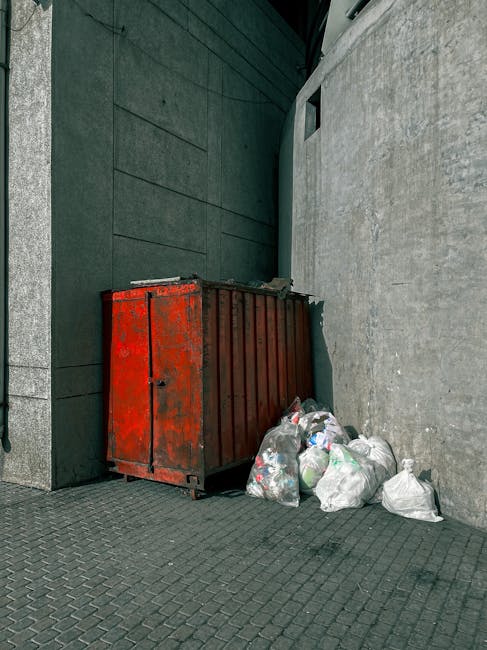
Wanstead High Street rubbish removal guide E11
If you are dealing with a pile of old furniture, builders' debris, garden cuttings or the aftermath of a clear-out, Wanstead High Street rubbish removal in E11 can feel oddly urgent. The street is busy, parking can be awkward, and rubbish has a habit of making a small job feel much bigger by lunchtime. This guide walks you through the sensible options, the things people often miss, and how to choose the right waste solution without overcomplicating it.
Whether you are a homeowner, landlord, shop owner, or tradesperson, the aim is the same: get rid of waste safely, legally, and with as little disruption as possible. You will also find a practical comparison of methods, a checklist, and a few field-tested tips that save time. To keep things grounded, we'll look at common E11 scenarios and what tends to work best on Wanstead High Street in real life. Not glamorous, but very useful.
Why Wanstead High Street rubbish removal guide E11 Matters
Wanstead High Street has a very particular rhythm. There are shops, cafes, homes, footfall, and traffic all mixing together, which means rubbish removal here is never just about "getting rid of stuff". It is about timing, access, noise, visibility, and keeping the pavement clear. A pile of waste outside a property can quickly become a nuisance, and in some cases it can interrupt trading or frustrate neighbours. That's the reality.
People usually start searching for rubbish removal when a project has already generated more waste than expected. A loft clearance turns into a full house clear-out. A minor refurbishment produces more rubble than the skip in your head had room for. A retail unit gets a refit and suddenly there are packaging materials, shelving, and broken fittings everywhere. This guide helps you make a calmer decision before the mess spreads.
It also matters because rubbish removal is not one-size-fits-all. Some waste needs a simple collection, some works better in a skip, and some should not be mixed in at all. If you need a broader overview of disposal routes, rubbish removal services and skip hire are the two most common starting points for local customers. For bigger or more awkward loads, grab hire services can also be worth considering.
How Wanstead High Street rubbish removal guide E11 Works
At a practical level, rubbish removal in E11 usually follows one of three patterns: a man and van collection, a skip placed near the property, or a grab-style collection for bulkier waste. The right choice depends on what you are throwing away, how much of it there is, and whether you have room for loading or storage.
For many household jobs, a scheduled collection is the easiest route. You point to the waste, the team loads it, and the site is cleared without you lifting everything yourself. For small refurbishments or steady streams of waste, a skip may be more efficient because it gives you a place to keep filling as the work progresses. If space is tight or the pile is heavy and loose, a grab lorry can be surprisingly handy. Not fancy. Just efficient.
On Wanstead High Street itself, the practical constraints matter. If access is restricted, if parking is difficult, or if waste has to be removed quickly to avoid blocking customers and pedestrians, then services like wait and load skip hire or same day skip hire may be more realistic than leaving a skip on the street for days. The best method is the one that fits the site, not the one that sounds neat in theory.
Key Benefits and Practical Advantages
The obvious benefit is that rubbish disappears. But the better benefits are the ones people notice afterwards: less clutter, less stress, fewer trip hazards, and a property that feels usable again. On a busy high street, that can translate into smoother trading, safer access, and fewer awkward conversations with neighbours or customers.
There are also time savings. If you try to manage waste piecemeal, you can spend half your week driving back and forth to a tip, waiting in queues, and trying to fit dirty materials into a car boot. Most people underestimate how exhausting that becomes. A proper removal plan is usually quicker and, honestly, less annoying.
Other practical advantages include:
- Cleaner working space: easier to continue decorating, clearing, or refurbishing.
- Better safety: fewer bags, boards, and loose objects underfoot.
- More flexible disposal: useful for mixed loads where one skip size or one collection is enough.
- Improved presentation: important for shops, rentals, and sales viewings.
- Potential recycling benefits: waste can often be separated and routed responsibly through waste recycling services.
If your project involves bulky household items, there are dedicated options such as mattress and sofa disposal and fridge and appliance removal, which can be much simpler than trying to shift them yourself. Truth be told, a sofa on a narrow staircase is nobody's idea of a fun Saturday.
Who This Is For and When It Makes Sense
This guide is for anyone in or around Wanstead High Street who needs a practical rubbish solution and does not want guesswork. That includes homeowners clearing a property, landlords between tenancies, businesses dealing with back-of-house waste, and tradespeople with mixed building debris.
It makes sense when you have one of these situations:
- A home renovation has produced rubble, timber offcuts, plasterboard, and packaging.
- A loft, garage, or spare room has become a storage zone for years of "I'll sort that later".
- A shop, cafe, or office needs furniture removed before a refit or handover.
- A garden has been stripped back and you have piles of green waste, soil, and branches.
- A builder needs fast clearance from a small frontage with limited access.
For domestic jobs, domestic skip hire can be a comfortable fit if you are generating waste over several days. For commercial premises, commercial skip hire or office clearance may be more appropriate. If the job is more about a full property reset, house clearance can save a lot of back-and-forth.
Step-by-Step Guidance
If you are planning rubbish removal on or near Wanstead High Street, keep it simple. A clean process usually beats a clever one.
- Identify the waste type. Separate general rubbish from builders' waste, green waste, bulky items, and anything hazardous. This matters more than people realise.
- Estimate the volume. A few bin bags is very different from a roomful of broken fittings or a builder's load. If in doubt, photograph the pile from a few angles.
- Check access. Can a vehicle stop nearby? Is there space to load safely? Is pavement access tight? These details change the best option fast.
- Choose the disposal method. For flexible loading, look at man and van. For larger volumes, a skip or grab lorry hire can be better.
- Confirm what can go in. Not all waste types can be mixed. Check what can go in a skip before you start throwing everything together.
- Arrange any permit or access details. If a skip needs to sit on the public highway, you may need to consider skip hire permits or broader skip permits.
- Load safely and sensibly. Put heavier items at the bottom and avoid overfilling. Keep everything stable enough that it won't spill when moved.
- Plan the finish. The last sweep matters. A clean edge and a tidy pavement make the job feel finished, not just abandoned.
If you need a fast turnaround because traders are opening early or a refurb is running late, it can be worth checking book online options and reviewing pricing and quotes before the waste starts piling up. A quick call or booking form saves a lot of faffing later.
Expert Tips for Better Results
One of the best ways to save money on rubbish removal is to sort waste before collection. That does not mean turning your front room into a sorting depot. It simply means keeping clean cardboard separate from rubble, and keeping reusable items away from general waste where possible. Mixed waste is often less efficient to handle.
Another useful habit is to think in "load shape", not just volume. A pile of flat boards, a stack of furniture, and a heap of loose rubble all behave differently when loaded. If you know the shape of the waste, you can pick a better removal method. Grab hire, for example, is often ideal for loose or heavy material that would be awkward to hand-load.
A few more hard-won tips:
- Keep walkways clear so nobody has to climb over bags with a box in one hand and a coffee in the other.
- Take out hazardous items early so they do not get mixed in by accident.
- If access is restricted, measure the vehicle space properly before booking.
- For sensitive paperwork, use confidential shredding rather than trying to bin documents casually.
- For garden jobs, garden waste removal is usually cleaner than throwing green waste into a general pile.
And one small human tip: do not leave decisions until the day before the clear-out. That is usually when the missing bag, missing key, and missing patience all show up at once.
Common Mistakes to Avoid
The most common mistake is mixing everything together and hoping it will somehow sort itself out. It won't. Waste types matter, especially if you have heavier construction materials, electrical items, or anything that might need separate handling.
Another frequent issue is underestimating access. A collection might be easy on paper, then the vehicle arrives and there is a delivery bay blocked, a narrow corner, or a row of parked cars making loading awkward. Wanstead High Street has enough pinch points that this one deserves extra attention.
Other mistakes worth avoiding:
- Overfilling containers: it creates safety problems and may delay collection.
- Ignoring permits: if you need a skip on the road, plan ahead.
- Leaving waste too late: clutter builds quickly and slows down the rest of the project.
- Forgetting specialist items: fridges, mattresses, and some appliances are better handled separately.
- Choosing on price alone: the cheapest-looking option can become expensive if it does not fit the job.
To be fair, most mistakes happen because people are trying to move quickly. That's understandable. But a few minutes of planning usually saves a lot more time than it costs.
Tools, Resources and Recommendations
You do not need a warehouse of equipment to handle rubbish removal well. A tape measure, gloves, sturdy bin bags, and a camera phone are often enough to plan accurately. The camera is particularly helpful because a few photos tell more than a vague "it's quite a lot" ever will.
From there, a few service pages can help you narrow the right route:
- skip sizes and prices if you are comparing skip capacity and budget.
- what can go in a skip if you need to check item types.
- wait and load skip hire if parking or pavement use is limited.
- enclosed and lockable skip hire if you need extra security or debris containment.
- construction waste disposal if your job involves rubble, timber, and building debris.
If you are dealing with heavier material from a demolition or strip-out, the more specialist pages may be useful too: builders waste removal, construction waste clearance, and demolition waste removal. For larger land-based jobs, site clearance and muck away services are also worth a look.
Law, Compliance, Standards, or Best Practice
Waste removal in the UK is not just about convenience. There are legal and practical duties around safe handling, responsible disposal, and using a reputable carrier. You do not need to become a compliance expert yourself, but you should be careful about who handles your waste and how it is documented.
Best practice usually means:
- Keeping hazardous waste separate from ordinary rubbish.
- Using appropriate containers and loading methods to prevent spills.
- Checking whether a permit is needed for on-street skip placement.
- Making sure waste goes to an appropriate facility rather than being dumped or blended in badly.
- Choosing a provider that is clear about safety and insurance.
If the job is security-sensitive, such as business archives or confidential material, then a dedicated service like confidential shredding is the sensible route. For appliances, especially anything with gas, coolant, or wiring, use a proper disposal route such as fridge and appliance removal. That is not overcautious; it is just good practice.
It is also sensible to review company policies around safety, insurance, and payment before booking. Pages such as health and safety policy, insurance and safety, payment and security, and recycling and sustainability can help you understand how a provider operates. Little details, but they matter.
Options, Methods, or Comparison Table
Here is a straightforward comparison of the most common rubbish removal options for Wanstead High Street and the wider E11 area.
| Method | Best for | Strengths | Watch outs |
|---|---|---|---|
| Man and van | Small to medium mixed loads, furniture, general clear-outs | Flexible, quick, minimal hassle | Less ideal for large ongoing projects |
| Skip hire | Renovations, recurring waste, projects over several days | Good capacity, keeps waste on-site, convenient for steady loading | May need a permit; takes space |
| Wait and load | Busy streets, short-stay loading, restricted parking | No need to leave a skip behind, useful on tight roads | Requires you to be ready to load promptly |
| Grab hire | Loose heavy waste, soil, rubble, site clearances | Fast removal of bulky material, efficient for awkward loads | Needs access for the vehicle arm |
For a domestic declutter, man and van or a smaller skip is often enough. For builders working to a deadline, a combination of builders skip hire and clearance support can be more productive. For larger commercial jobs, office clearance or commercial skip hire may make the most sense. There is rarely one perfect option for everyone.
Case Study or Real-World Example
Picture a small premises near Wanstead High Street that is being refreshed ahead of a reopening. The team has old display fixtures, packaging, damaged shelving, a couple of worn chairs, and bags of mixed rubbish from the strip-out. Space is tight, customers still need access nearby, and the owners want the front looking decent before the weekend.
In a situation like that, a traditional long-stay skip may be inconvenient if parking is limited. A wait-and-load arrangement can work better because the waste is removed quickly once ready. If the waste includes heavier boards and rubble from minor works, a grab-style solution may be better again. If confidential paperwork or old filing is involved, it should be separated and sent for shredding rather than tossed in with general waste.
What usually makes the difference is preparation. Waste is grouped by type, fragile items are removed first, and the collection window is planned around trading hours. The result is not just a cleared shop; it is a cleaner handover, fewer delays, and a much calmer finish. Simple, really. But simple is often what works.
Practical Checklist
Use this quick checklist before arranging Wanstead High Street rubbish removal in E11:
- Have I identified the waste type?
- Do I know roughly how much needs removing?
- Is there enough access for a vehicle or container?
- Do I need a permit or a short-stay collection plan?
- Have I separated hazardous, confidential, or specialist items?
- Do I need help with bulky items like sofas, mattresses, or appliances?
- Would a skip, van collection, grab lorry, or wait-and-load suit the site best?
- Have I checked the provider's safety, insurance, and recycling approach?
- Is the removal booked for a realistic time window?
- Have I cleared a safe path for loading?
If you can tick most of those off, you are in good shape. If not, pause and plan a bit more. It's better than wrestling with a half-solved waste problem while the clock is ticking.
Get a free quote today and see how much you can save.
Conclusion
Wanstead High Street rubbish removal in E11 is really about matching the job to the street. Once you factor in access, timing, waste type, and the practical realities of a busy local area, the right solution usually becomes clearer than it first looked. A little planning goes a long way.
For some people, that means a straightforward collection. For others, it means a skip, a grab lorry, or a quick same-day response before the mess gets in the way of the rest of the day. However you approach it, the goal is the same: clear space, reduce stress, and keep the job moving.
And once the waste is gone, the place always feels different. Quieter. Lighter. More workable. That small sense of relief? It's real.
Frequently Asked Questions
What is the best rubbish removal option for Wanstead High Street?
It depends on access and volume. For small to medium loads, man and van style collections often suit. For ongoing renovation waste, skip hire is usually better. For bulky loose material, grab hire can be the most efficient choice.
Do I need a permit for rubbish removal on Wanstead High Street?
Not always. A permit is more likely if a skip needs to sit on the public highway. If the waste can be removed by a short-stay collection or wait-and-load arrangement, a permit may not be needed. Always check the access plan before booking.
Can I mix household rubbish with builders' waste?
Sometimes mixed loads are possible, but it is better to separate waste where you can. Builders' waste, green waste, appliances, and general rubbish may be handled differently, and mixing everything can reduce efficiency.
What happens to the waste after collection?
That depends on the waste type and the provider's process. Reputable services will sort, recycle, and dispose of waste appropriately. If sustainability matters to you, look at the provider's recycling and sustainability information before booking.
Is same-day rubbish removal available in E11?
Sometimes, yes. Same-day availability depends on timing, load size, and vehicle availability. If the job is urgent, it is worth checking same day skip hire or a fast collection option as early as possible.
Which option is best for a shop clearance near the high street?
For a shop or office clearance, a tailored clearance service is often easier than trying to manage everything with one container. Office clearance and commercial skip hire are common starting points.
Can you remove old sofas, mattresses, and appliances?
Yes, but these are best handled through dedicated disposal routes. Mattress and sofa disposal and fridge and appliance removal are usually the cleaner choice.
What should I do with confidential documents?
Use a secure shredding service. Do not place confidential papers in a general rubbish pile. Separate them early so nothing sensitive gets mixed in by mistake.
How do I know what can go in a skip?
Check the waste type before loading. Some items are commonly accepted, while others are restricted or need separate handling. The page on what can go in a skip is a useful reference point.
Is grab hire better than skip hire?
Neither is automatically better. Grab hire is often excellent for bulky loose waste, soil, and rubble. Skip hire is often better if you want to load waste over time. The right option depends on the site and the shape of the waste.
What if I only have a small amount of rubbish?
For a small amount, a van-based collection is often more practical than booking a large container. It keeps things simple and avoids paying for capacity you do not need.
How can I keep waste removal costs down?
Sort waste early, avoid mixing restricted items with general rubbish, choose the right method for the volume, and book with a clear picture of the load. A bit of preparation usually lowers the overall cost more than people expect.
Where can I learn more about safe and responsible disposal?
Browse the provider's supporting pages on health and safety, insurance and safety, payment and security, and about us to get a feel for how they work and what standards they follow.